At the collegiate level, sports coaches require the commitment level of a full-time job – except the output is essentially, well an athlete’s entire life.
Their bodies and minds are centered on the futile pursuit of athletic perfection, in the name of club, school or country.
In return for this sacrifice, athletes fairly expect a payoff: prestige, praise and payment – of some sort.
So what happens when they train for hours, seven days a week, but nobody sees the results?
What do they do when their strength, passion and athleticism aren’t taken seriously as their male counterparts?
What happens when when they repeatedly prove their value, but their sacrifice still goes unpaid and unrecognized?
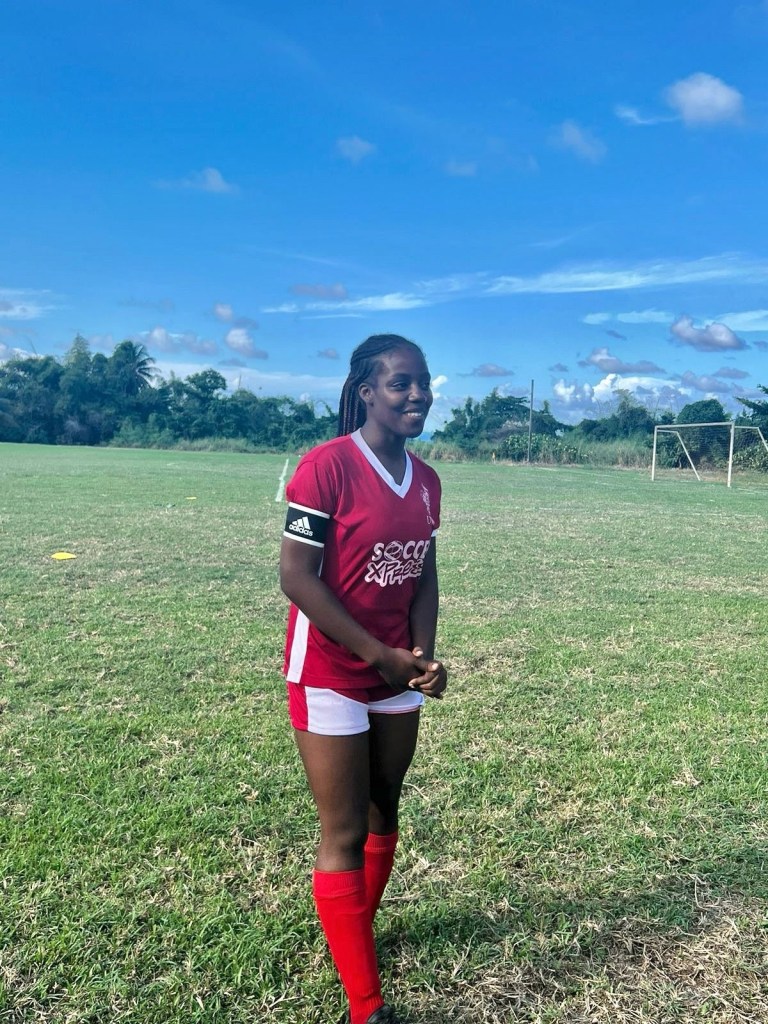
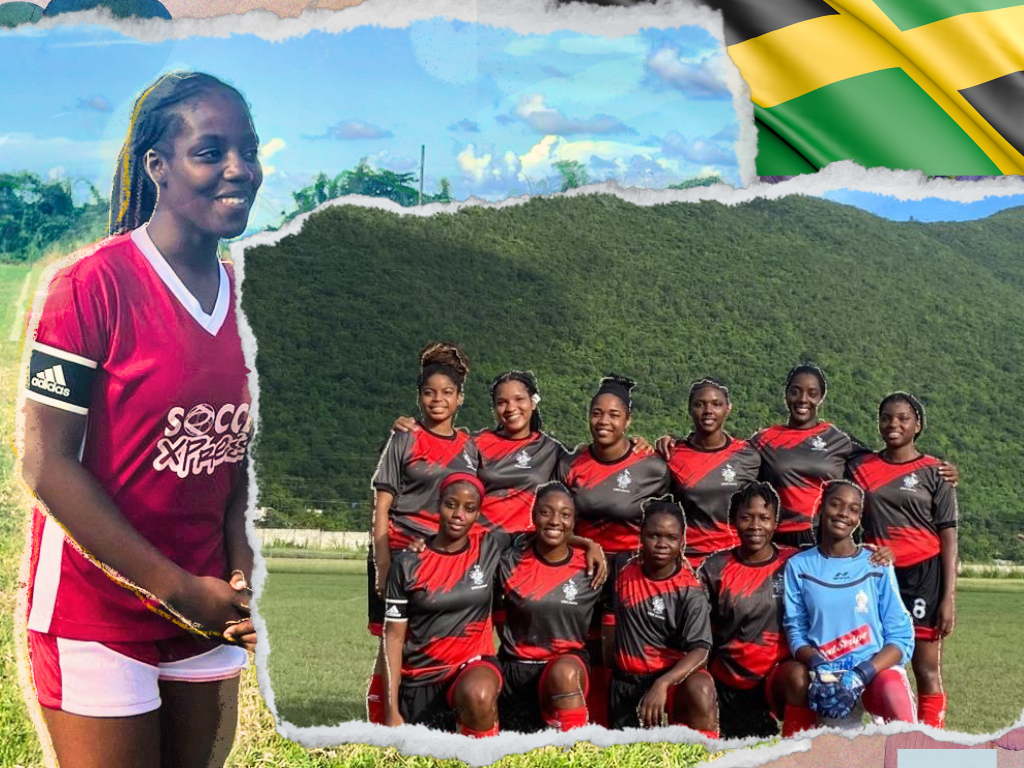
After over a decade in the sport, UWI women’s football team captain Gabrielle Hibbert has seen this cultural conundrum first hand – and it’s one she’s determined to change.
The 2022-23 Intercol champion team, she says, endures the same lack of structural support that limits the growth of female football in Jamaica – from schoolgirls, to the history-making Reggae Girlz.
The spirited student-athlete is adamant that Jamaica undervalues girls and women in football. She calls for more financial support, and more inclusive social perceptions of athletes.
seeing is believing
Jamaica is known as a nation of football lovers, but historically, much of this fanfare has been reserved for male players.
Compared to sports like netball and, of course, track and field, local development of schoolgirl football has been fledgling.
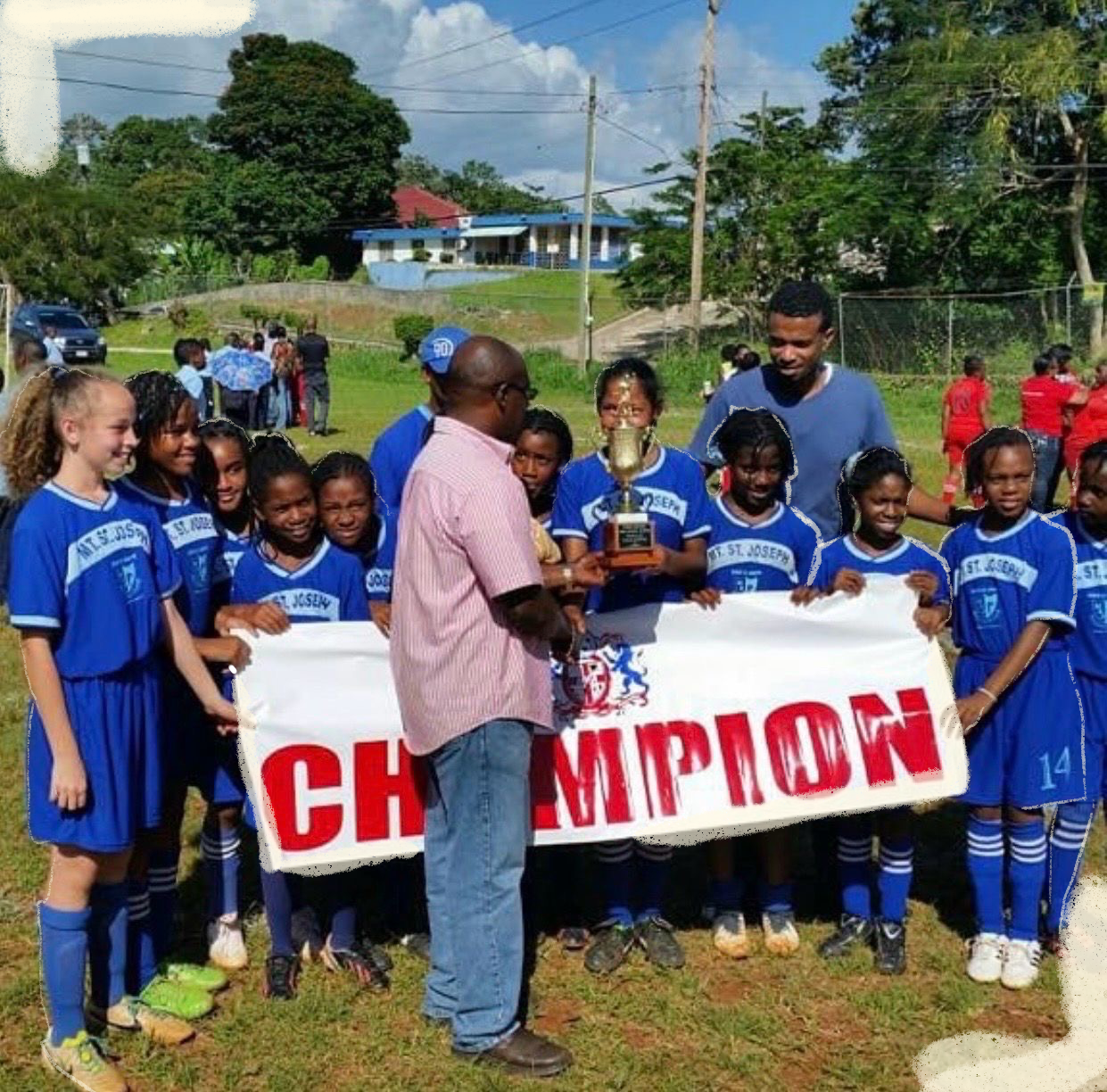
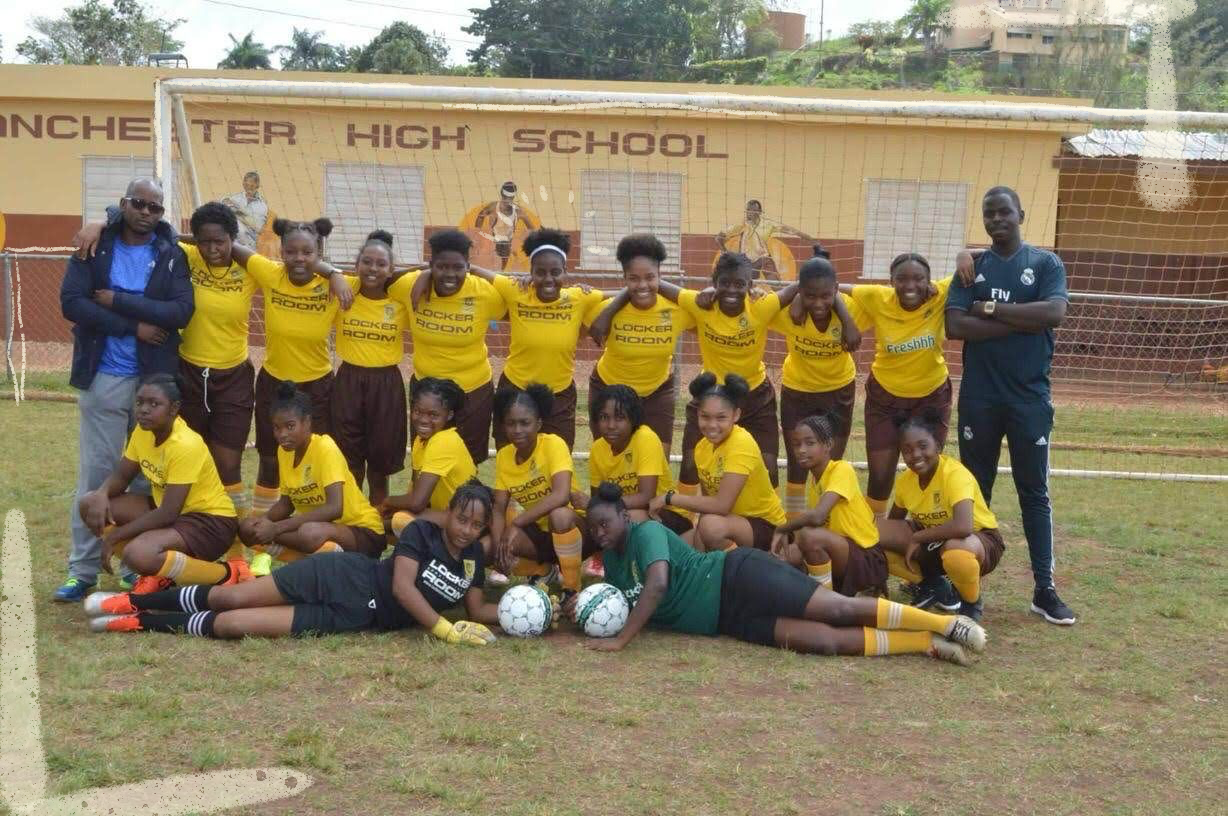
From firsthand experience, Hibbert knows that talent just needs an opportunity: that’s how in kindergarten, a standout Sports Day performance led to joining her prep school track team.
It’s also how a casual juggling session (during first year grub day activities, no less) caught the attention of UWI’s football coach – creating an avenue to pursue her dream of collegiate play.
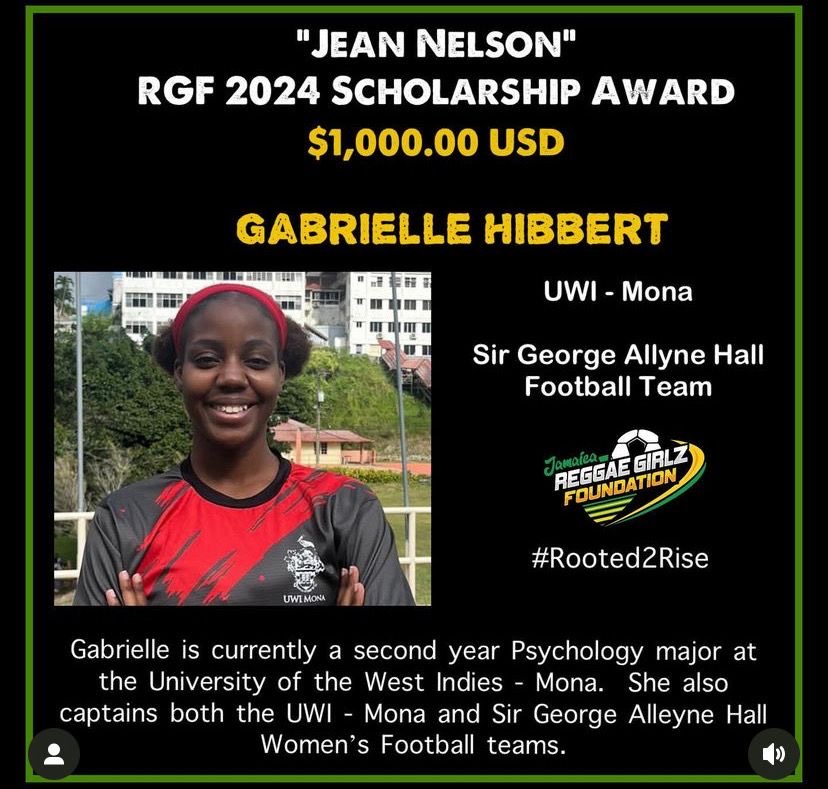
gabrielle’s stats
- Reggae Girlz Foundation 2024 Jean Nelson Scholarship awardee
- Captain, UWI Mona Women’s Football
- Captain, George Alleyne Hall Women’s Football
- Cultural & Entertainment Affairs Chairperson, George Alleyne Hall
doing more with less
She understands that having formal access to the sport at an early age was a privilege not afforded to many young Jamaican girls.
Growing the game requires advocates who use their platforms to shrink this access gap. Gabrielle’s involvement in community leadership – both on and off the pitch – proves her commitment to this mission.

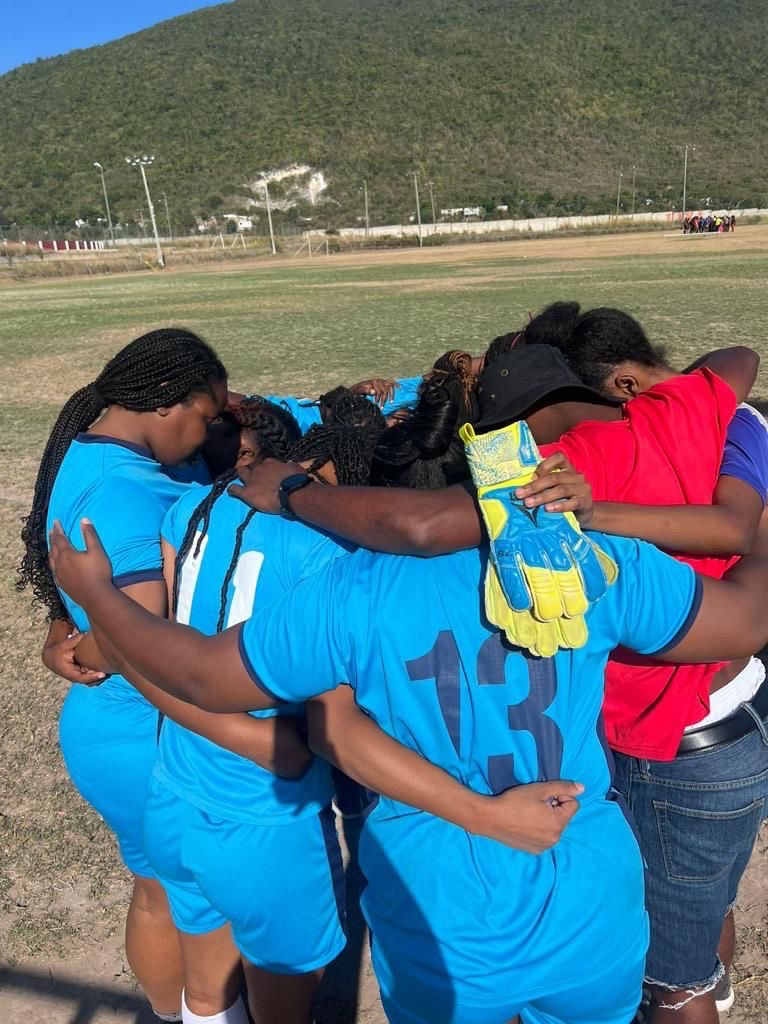
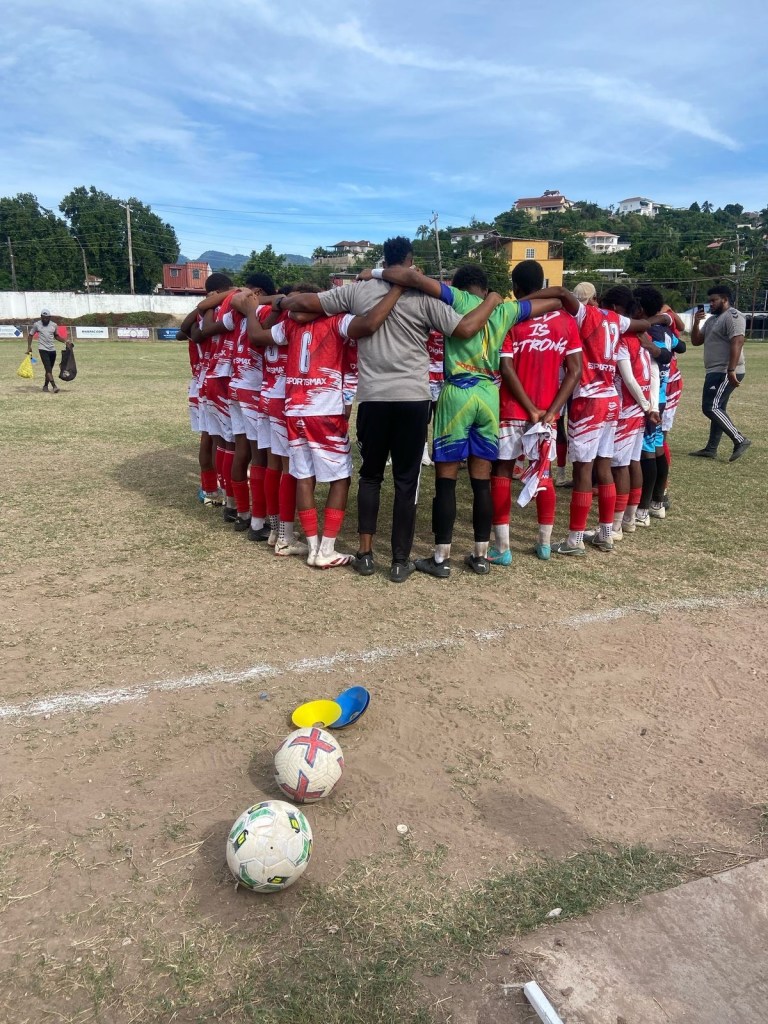

Watching her in captain mode during a November training session, it quickly becomes evident how she naturally evokes respect from her peers: her personality easily swings from candid and comical, to assertive and analytical. Despite being visibly injured, she still maintains a breezy, yet humble sense of leadership among her teammates.
Naturally, she’s protective of her team and her sport at large. She uses her voice to highlight their talent, accomplishments and sacrifices as a unit – despite the stifling lack of reciprocated support from school and corporate stakeholders.
“You have these athletes – student athletes…taking out time, effort, outa dem day,” she expressed, frankly. “When dem a pay dem school fi get dem degree…and dem a tek out time fi go a training. This year, we’re training every day of the week.”
The Covid-19 pandemic affected a fundamental aspect of the UWI student-athlete experience: in 2021, all athletic scholarships (along with contracts for coaches and support staff) were placed on hold as the university faced “financial constraints”.
2024 saw some funding opportunities return, but only sparingly so – with coaches reportedly only having enough to offer one scholarship to a team with over 20 athletes.
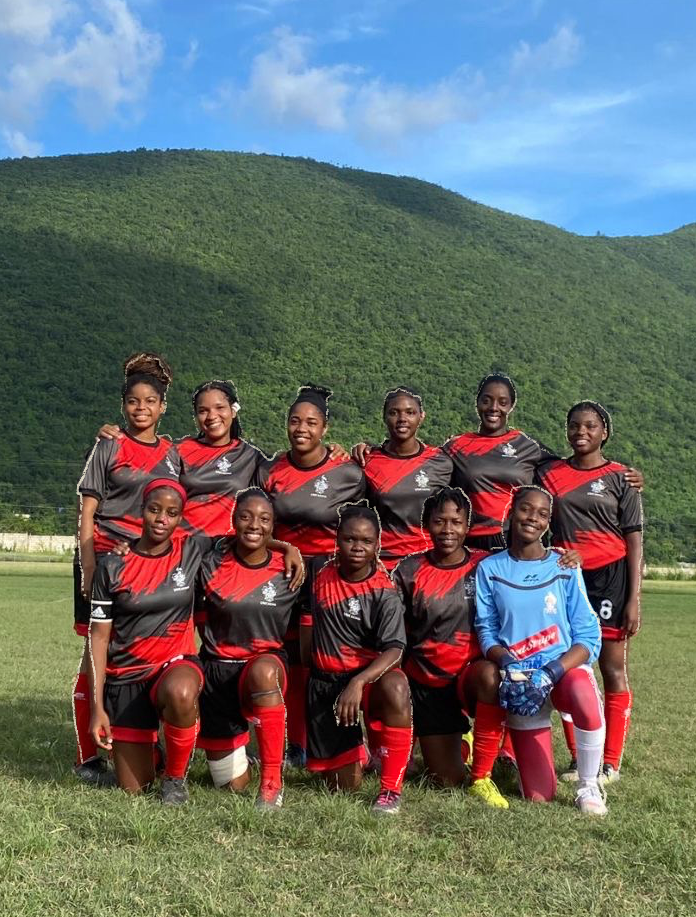
“Here at UWI, sports overall is just not…” She trailed off, shrugging her shoulders. I got it – at the University of The West Indies, non-academic extracurriculars didn’t get much attention, funding, or airtime.
“Other than track,” she continued, referencing the partnership with the UWI Mona Faculty of Sport and Racers Track Club, the sprint training club home many Olympians and World Champions, including the world’s fastest man, Usain Bolt.
“They’re different. It’s not the same for football.”
a riskier ball game
ACL tears in female athletes require specialized medical treatment for optimum recovery.
A lack of administrative support for student-athletes impacts their wellbeing outside of their sport – in particular, managing the prevention, treatment and rehabilitation of injuries.
About one month into the 2024-2025 season, Gabrielle tore her anterior cruciate ligament (ACL) – a debilitating muscular injury that takes 6-12 months of recovery before an athlete can fully return to training and competition.
According to sports medicine specialists, female athletes are up to 8x more likely to suffer ACL injuries than male, with year-round football and basketball players having a 5% chance of tearing the ligament each year they compete.
This has been attributed to body composition, hormones, and particularly sudden non-contact events – like abrupt stops or changes in direction while running, turning, and landing,
In cases like Gabrielle’s, reconstruction surgery is required to regain stability in the knee.
Unfortunately, she’s had to navigate treatment on her own, and is yet to receive a finalize a date for surgery with the University Hospital of The West Indies (UHWI).
There’s enough evidence that indicates the obvious: ACL tears in female athletes require specialized medical treatment for optimum recovery.
However, without consistent and structured financial support, student-athletes like Hibbert are left at risk of delayed treatment or repeated injury.
lack of focus
Gabrielle asserts that the lacking development of girls and women’s football is near-sighted: depriving deserving players of a ticket to the next level, as they are overlooked due to where they live (e.g. in her words, anyone deemed to “come from country”), or study.
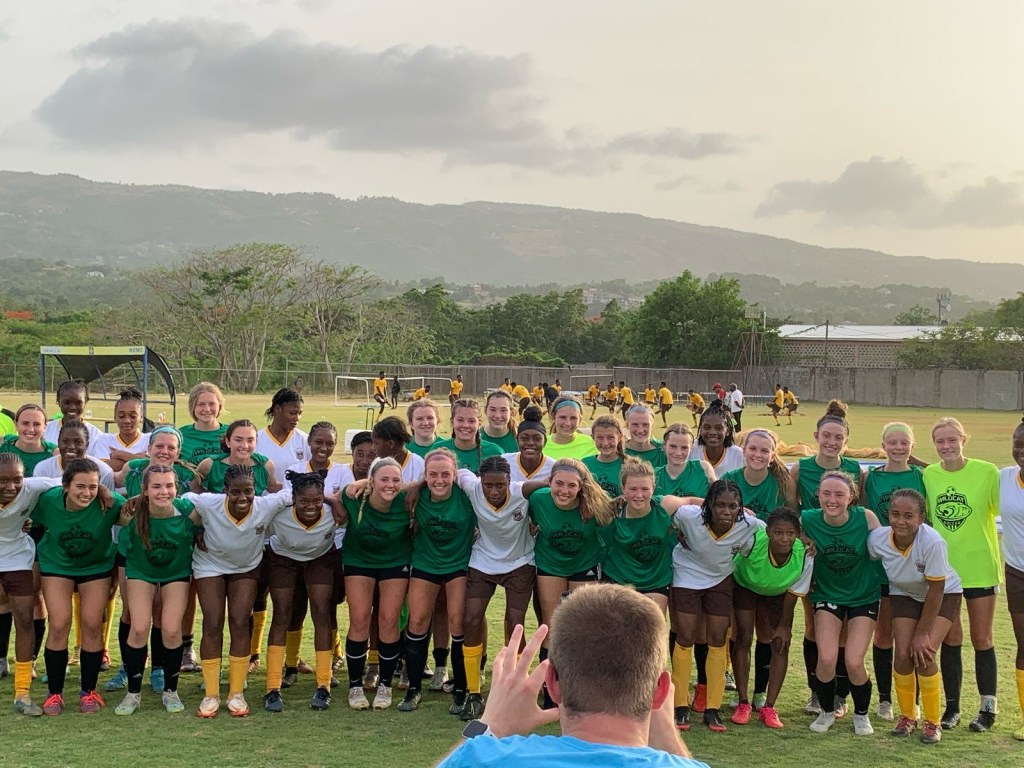
“In Jamaica, Intercol – it’s not heavily funded,” Hibbert explained. The Jamaica Intercollegiate Sports Association (Intercol) has 23 member institutions across local colleges and universities, with athletes competing across nine disciplines.
However, pleas for corporate sponsorships and media coverage have been a recurring theme for the organization. Local schoolgirl football coaches have echoed the need for sponsors, scouts and local media to tap in to the marketability of their homegrown talent.
In particular, experts insist that not having female football games on television or streaming cuts out a major potential audience, and prevents many talented players from being recognized by fans, college scouts and national coaches.
After three seasons with UWI football, Gabrielle agrees wholeheartedly. She understands the domino effect of these institutional factors: the lack of attention support comes from the top down.
“I see a lot of good athletes that can go into the [Jamaica Women’s] Premier League clubs, that can go into the national team,” she said. “But because dem nah focus pon Intercol, they’re not gonna see those talents. And that’s so sad.”
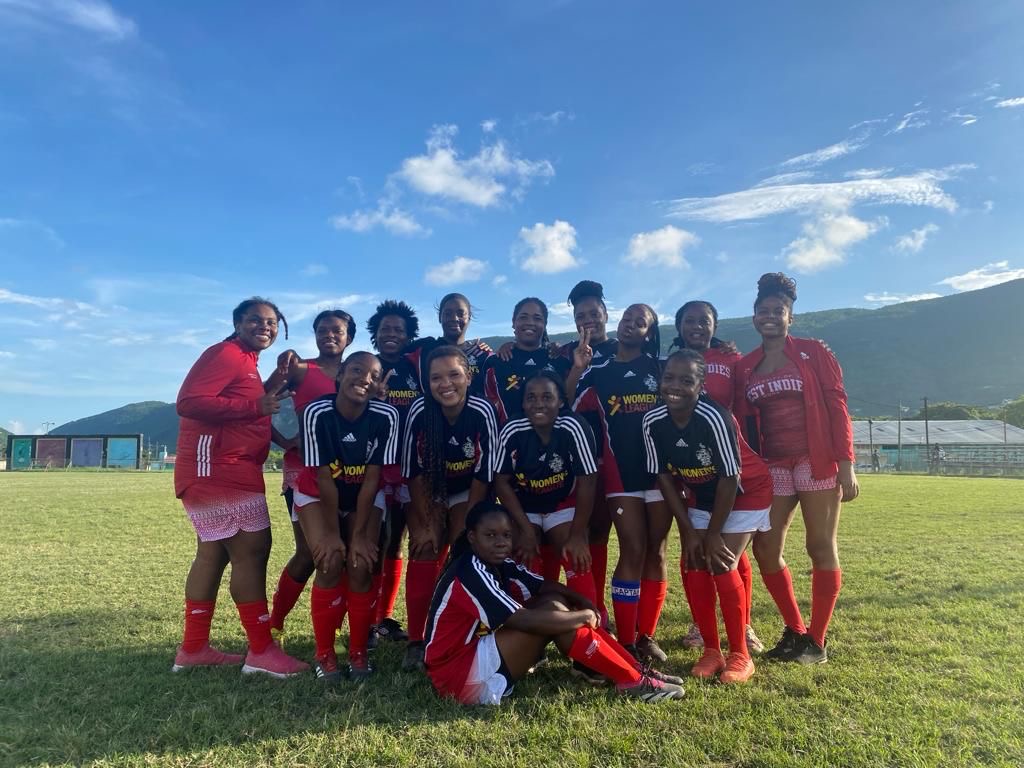
The charismatic captain considered sending letters to prominent companies within the corporate area, aiming to garner financial support, but found herself at a sticky crossroads: without proof of public fanfare, how could she convince potential sponsors of their marketability.
“Which business would support a sport, or a team, where you come to one of our games…there’s hardly anybody in the stands – and it’s a home game?” she lamented.
what they’re owed
“Why is it that even after two consecutive years of us proving, we don’t get the same support as the males?”
For Hibbert, there are similar nuances between her team’s experience sand that of Jamaica’s national team, the Reggae Girlz, who have notably had several incidents pushing players to protest against mismanagement and “subpar support.”
Gabrielle feels there isn’t enough public empathy for athletes, whose performances and reputations are largely at the mercy of bigger, more powerful entities.
“The Reggae Girlz, we made two – and mi a seh we, because mi soon reach deh,” she clarified, with a chuckle.
“We’ve made two consecutive World Cups. That’s big,” she said. “And I don’t think Jamaica appreciates that at all.”
It’s this lack of social support that inspired Gabrielle to pursue studies in psychology, with hopes of becoming only Jamaica’s second female sports psychologist.
She hopes to contribute to a change in social attitudes towards athletes, and advocating for more empathetic outlooks from fans and sport administrators alike.
“Why is it that even after two consecutive years of us proving, we don’t get the same support as the males?”
for the future
Despite the infrastructural hurdles still in their way, Gabrielle remains committed to using her experiences and platform to make football a visible, viable option for Jamaican girls.
“Every time I set foot on a football field, my mindset is just that, look – this is an opportunity for change,” she said, pausing carefully.
“This is an opportunity for someone to just be passing by, and dem see two ball a knock, and jus seh wow. Look at that.”
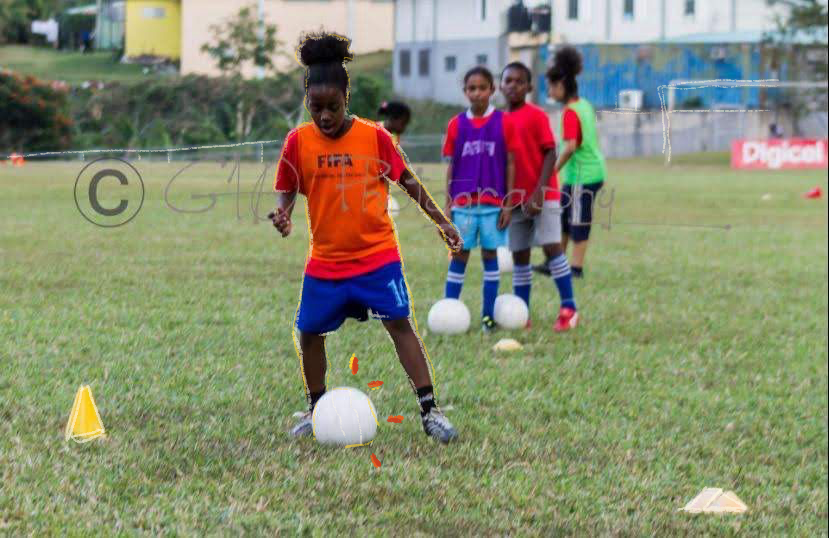
“We think dis nuh deh ya, but it’s here.”
While the young girls dream about World Cups to come, Gabrielle wishes for more intentional exposure and support for Jamaica’s female footballers of present, who continue to excel in spite of their efforts being taken for granted.
“You’re supposed to protect the treasure,” she insisted,
“They’re the treasure.”





 TREVONAE.com
Leave a reply to Karlene Andrea Williams Cancel reply