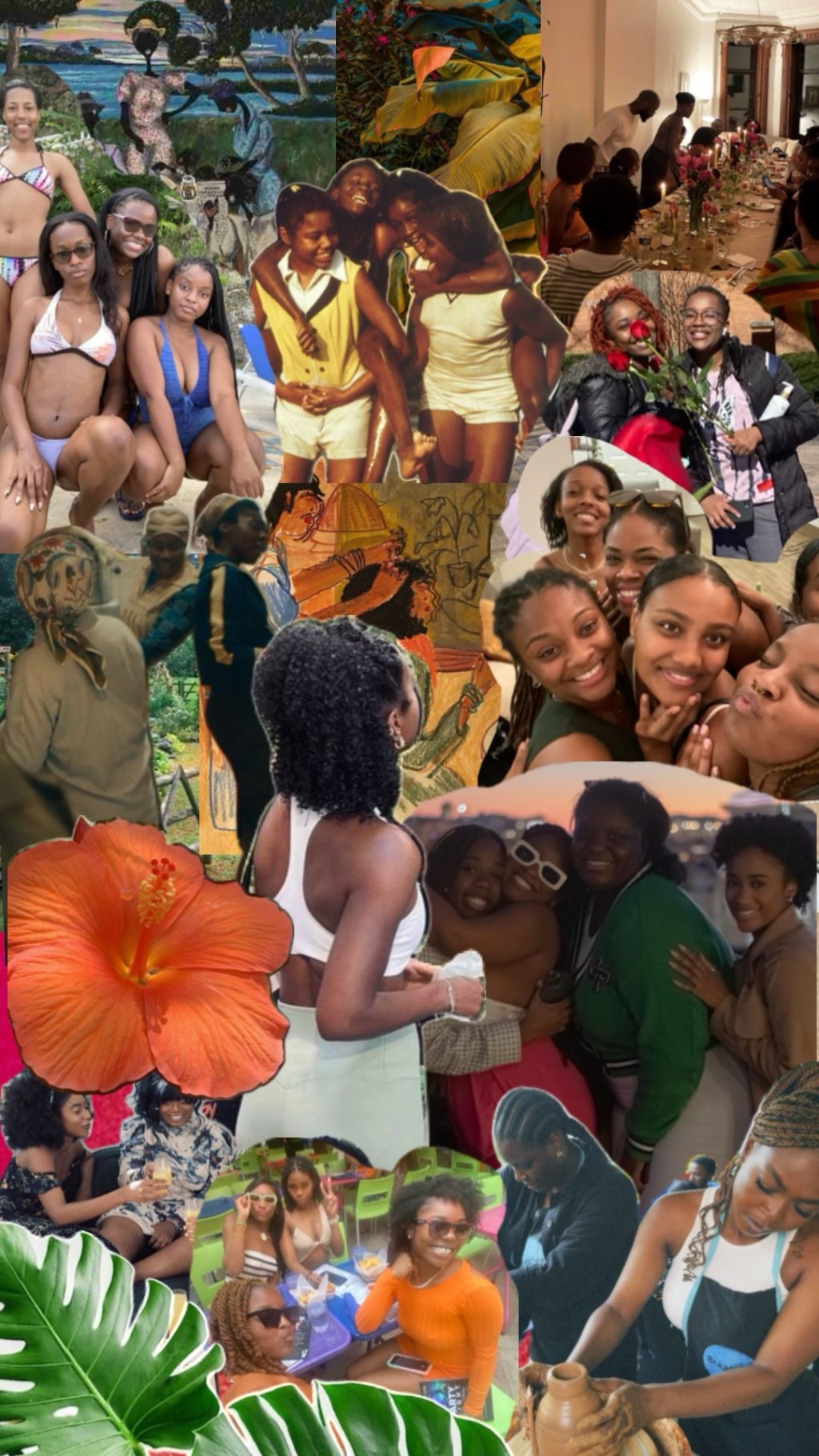
If you or a loved one has been the victim of a DND warrior, please step to the front.
On behalf of all of us – I apologize. Really. If your call, text or DM has gone unanswered for a while, it’s probably because getting woot woots on our phone can cause overwhelm. (For example: every social platform on my phone is muted. Text notifications? Off. I think I’m missing a diagnosis of sorts.)
Among those closest to me, there’s an unsaid understanding that I’m not the best at consistent communication. Sometimes it’s out of forgetfulness, but other times, it’s rooted in a strange aversion to support. I’ve lost count of the innocent check-in texts that put me into a freeze state for hours, as I pondered over what I should say in response to their generosity. I craved support, whilst seemingly actively resisting it.
However, when chronic illness changed my life, I was jolted into to re-assessing my approach. Constant support became something I needed to survive. I had to put my pride aside and change my perspective on fostering community – both as a recipient and as a giver.
After many a mulling session, I narrowed down what I desire in my communities, how to maintain them, and how to pay homage to the ones I already have.
1. starting from scratch
I am not the same person I was when I was 19. 13 year old me would be in disbelief at who I am today. Danielle, my friend of almost 20 years, can attest to this.
We met in kindergarten, and we’ve been evil twins ever since. Being classmates is how we met, but as we got older, our friendship continued blossoming over our shared interests: Joe Jonas, Twilight and BTS (in that order), to name a few.
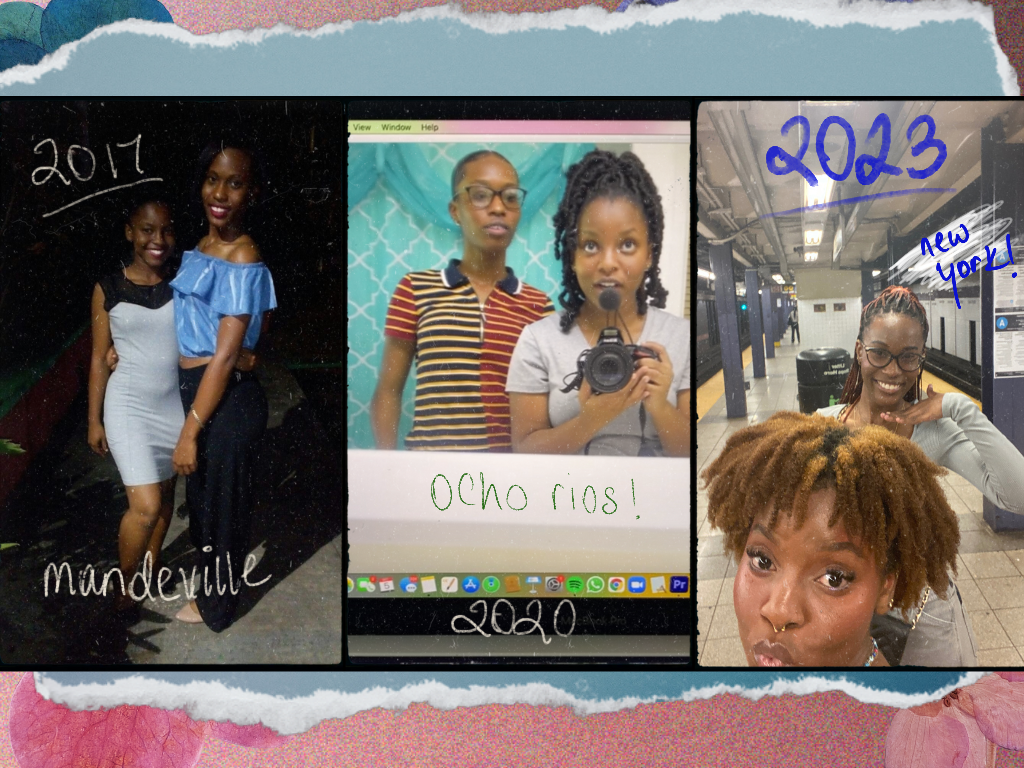
As we got older, the things we shared, discussed or bickered about began to change. Yet, even through those changes, our friendship persevered through bumps, changes and distance due to the values upon which we founded it.
With Danielle, I learned the sacredness of honesty, frank communication, reciprocity. As a result, I trust that we’ll always meet each other halfway with our respective truths – for both the flowery and prickly conversations. Danielle’s example led me to appreciate candor in all my relationships, and to realize that it’s a non-negotiable for me.
While pursuing new connections, going back to the drawing board helps us find the constants in our lives, and what they say about what we value most. If I can stomach it (which is rare), I sometimes like looking at old journal entries, scripts or poetry, and take note of the most recurring themes over time.
2. learning from a grudge
I wouldn’t say I used to be a non-confrontational person, but I was definitely very conflict averse. Even though I was willing to talk it out, I dreaded the thought of having conflict with my people in the first place. I was even more scared of the shame that comes from As I got older, I eventually learned the backwardness of my ways, and decided to be more upfront about my feelings with the people in my life.
This came with navigating hard conversations, as well as loss of connections. It’s always challenging for me to come to terms with connections faltering, whether by choice or by chance. I have to carve out time to mourn.
Whenever I’m working through the grief of it all, I realize that I’ll hit unexpected checkpoints as time passed. I could be stewing for months, then when I least expect it, it suddenly hurts less. And less. Then one day, I’d be able to smile at the sparks of joy a dormant connection once brought me.
It’s easy to believe that the next friend we make will let us down like the last one did, but I always trust that my discernment from lessons learned will make it less likely.
Then one day, I’d be able to smile at the sparks of joy a dormant connection once brought me.
With time, the emptiness from that grief will transform into prime space for new connections. After all, being wronged always shows you what feels right to you.
It’s okay to mourn a loss while still giving thanks for what used to be. It’s also okay to seek new connections after being disappointed in the past.
3. walk by faith (in others)
I once read a theory about the value of enjoying ourselves alone versus with people we care about. Does having fun stop when you’re by yourself?
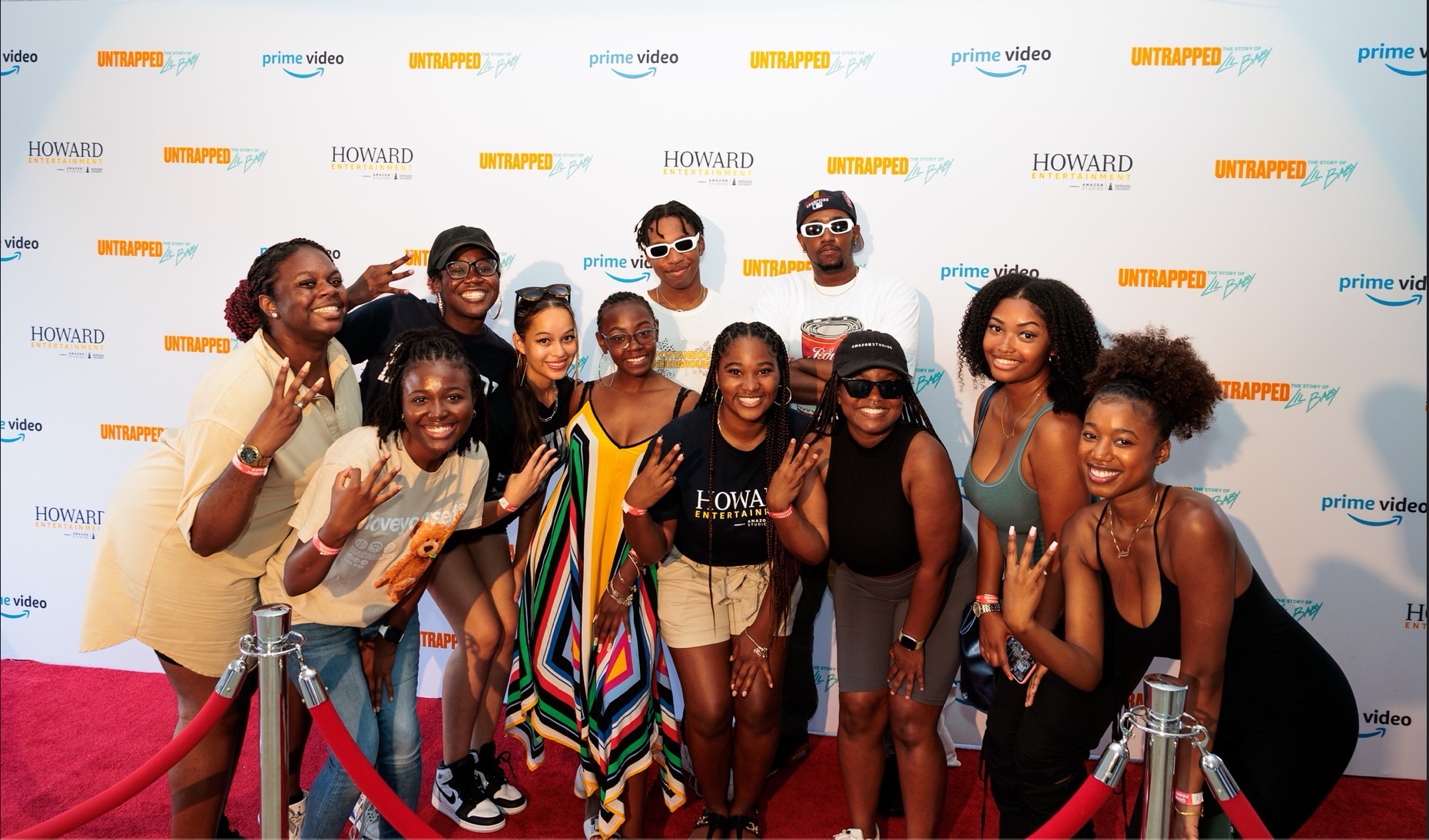
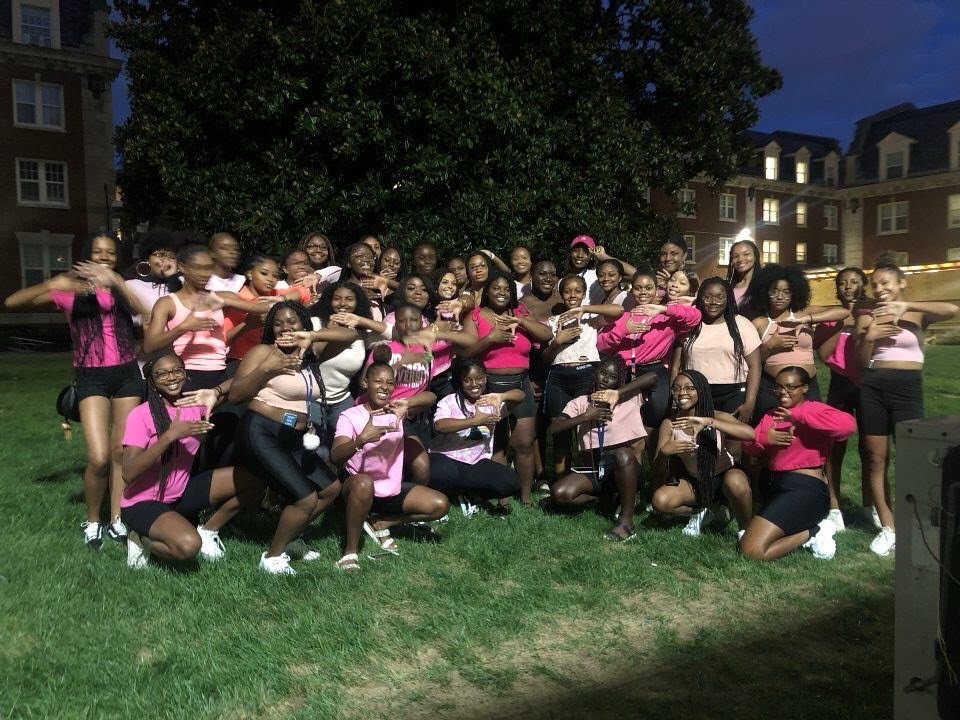
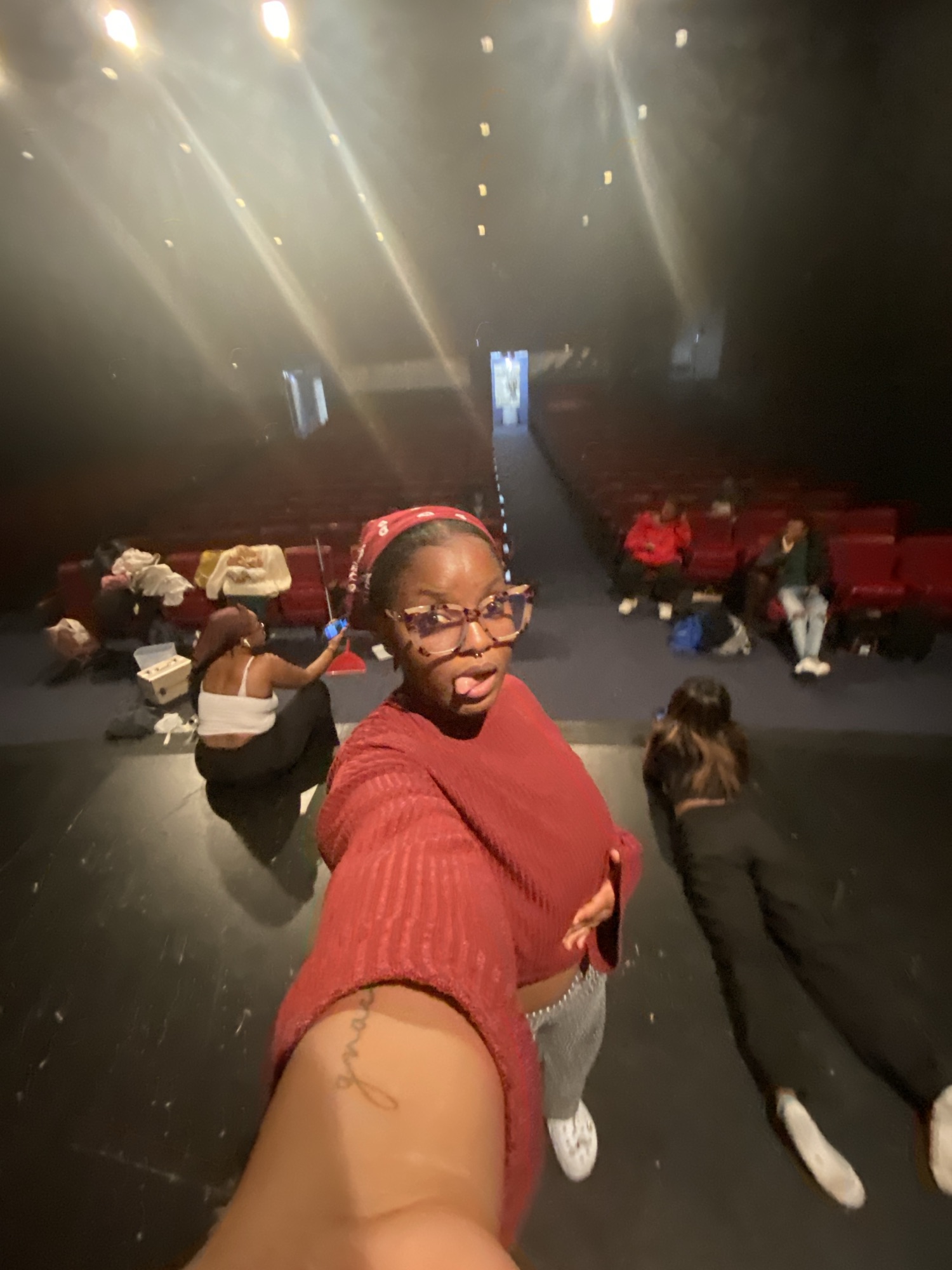
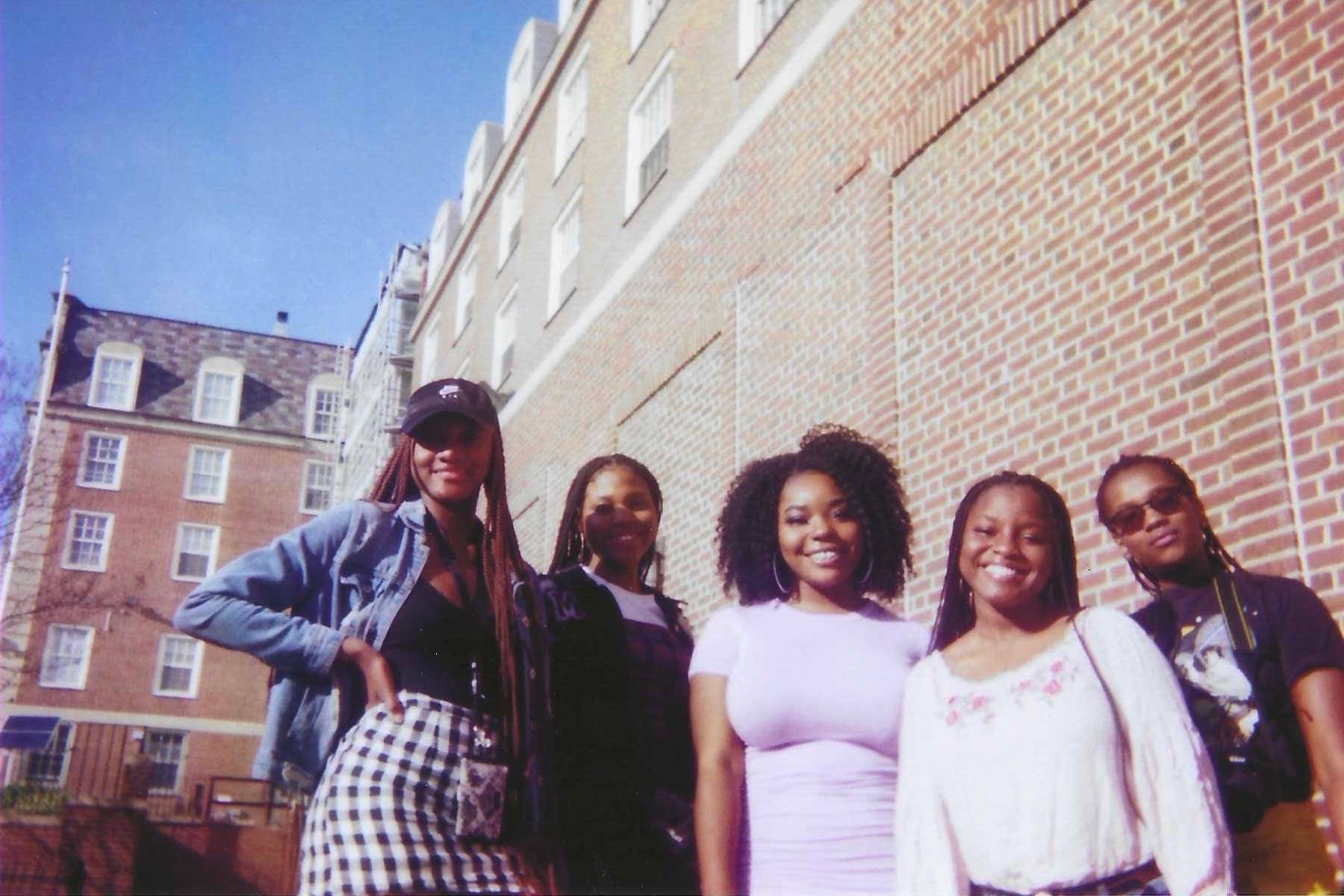
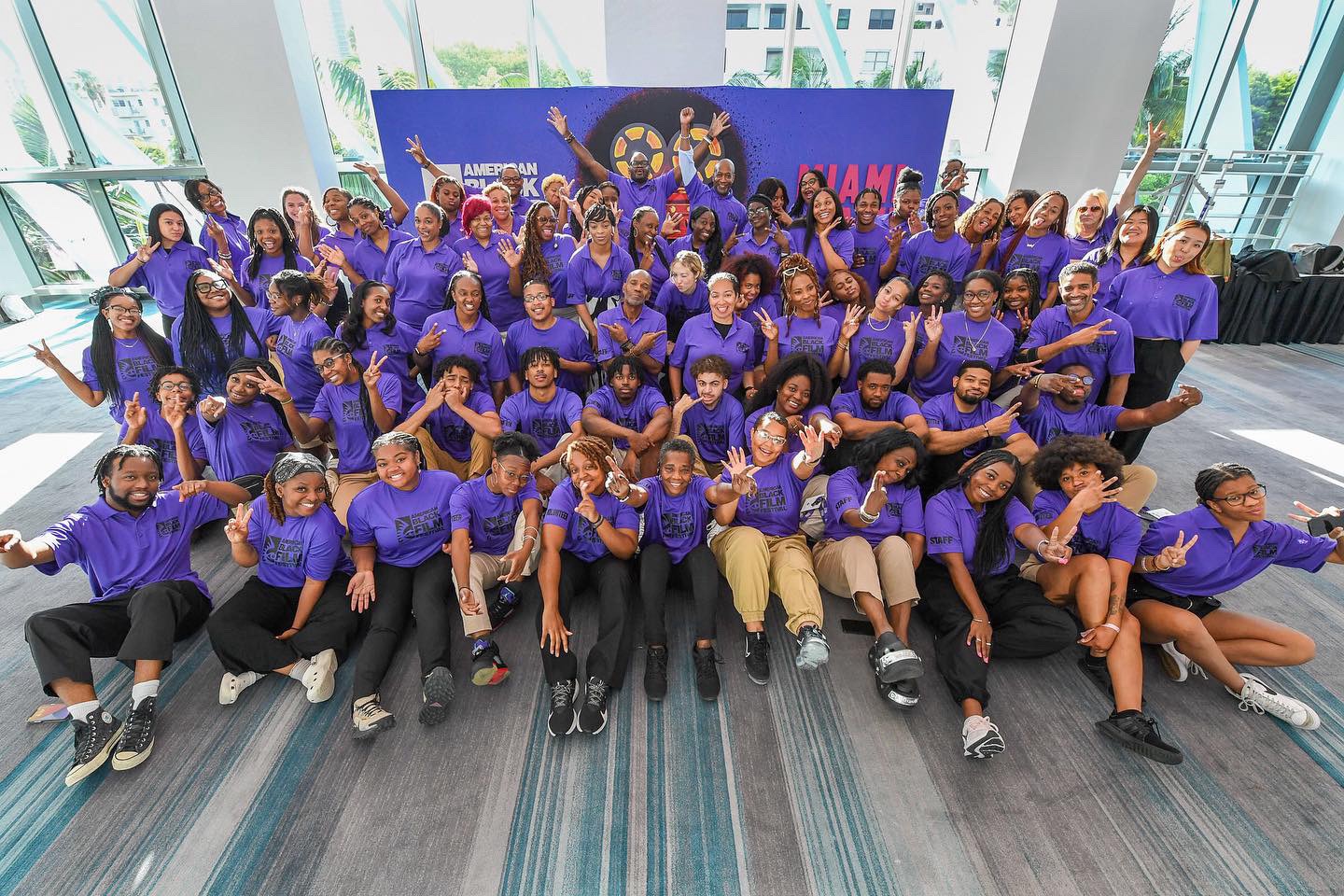
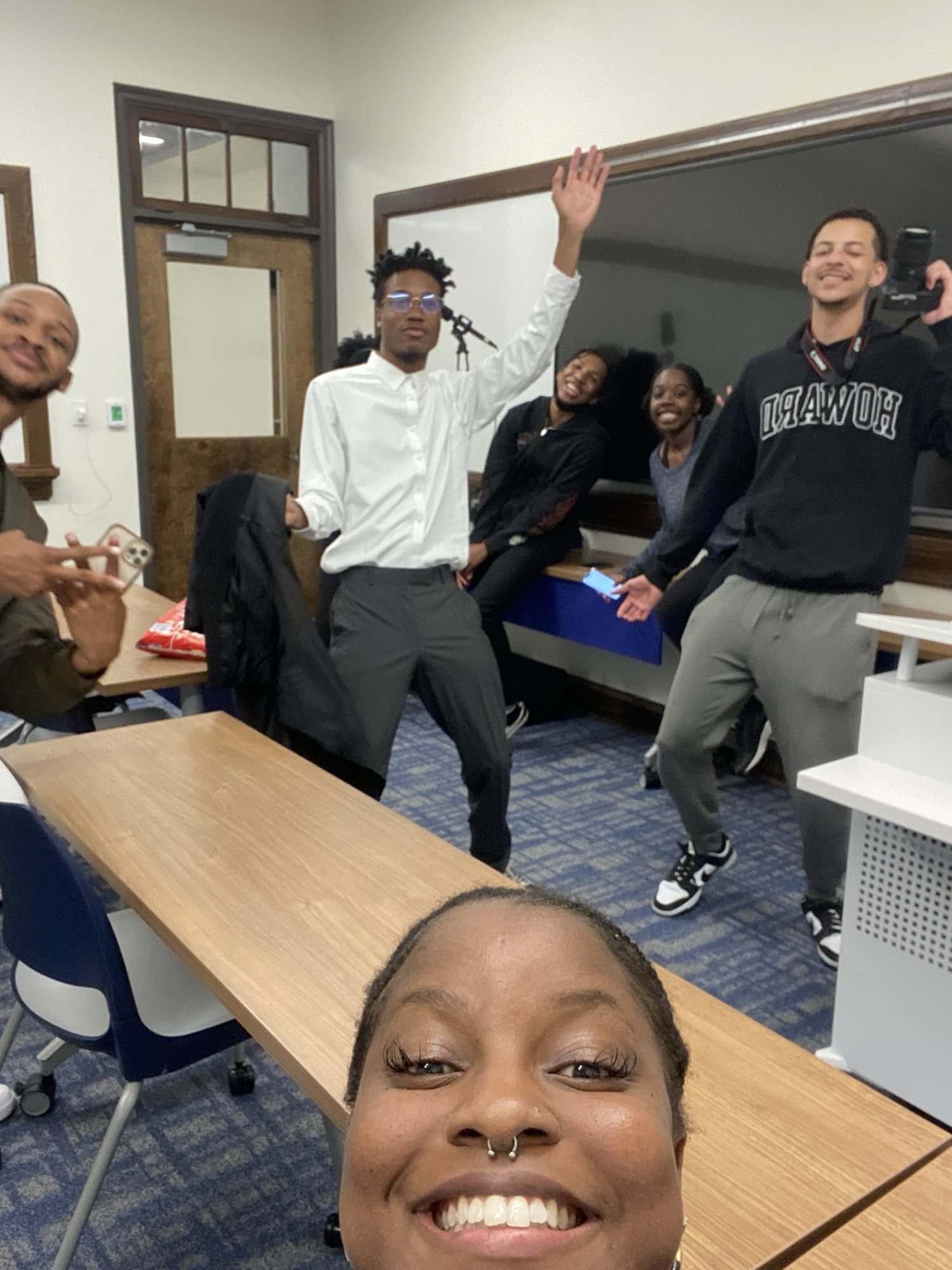
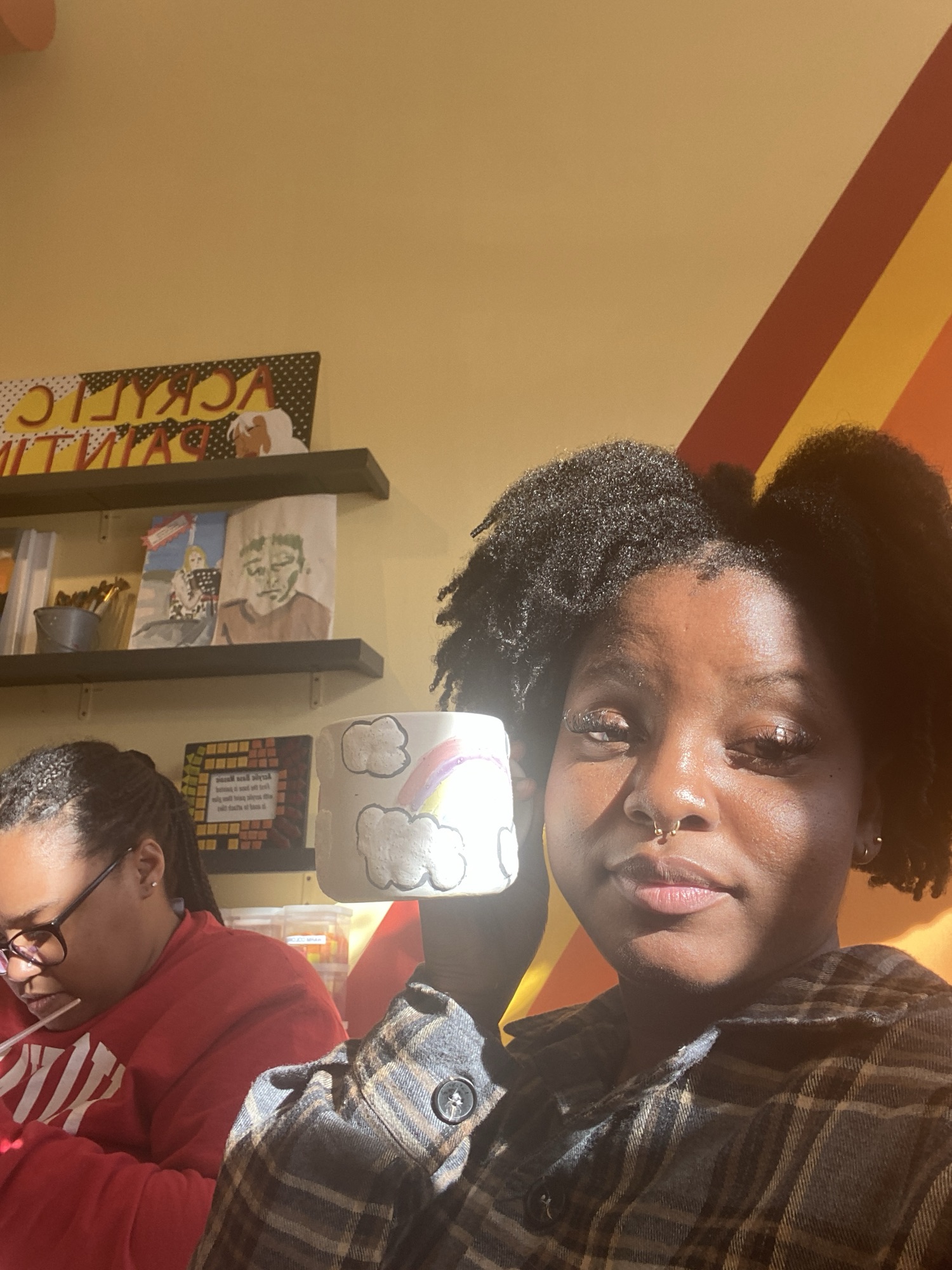

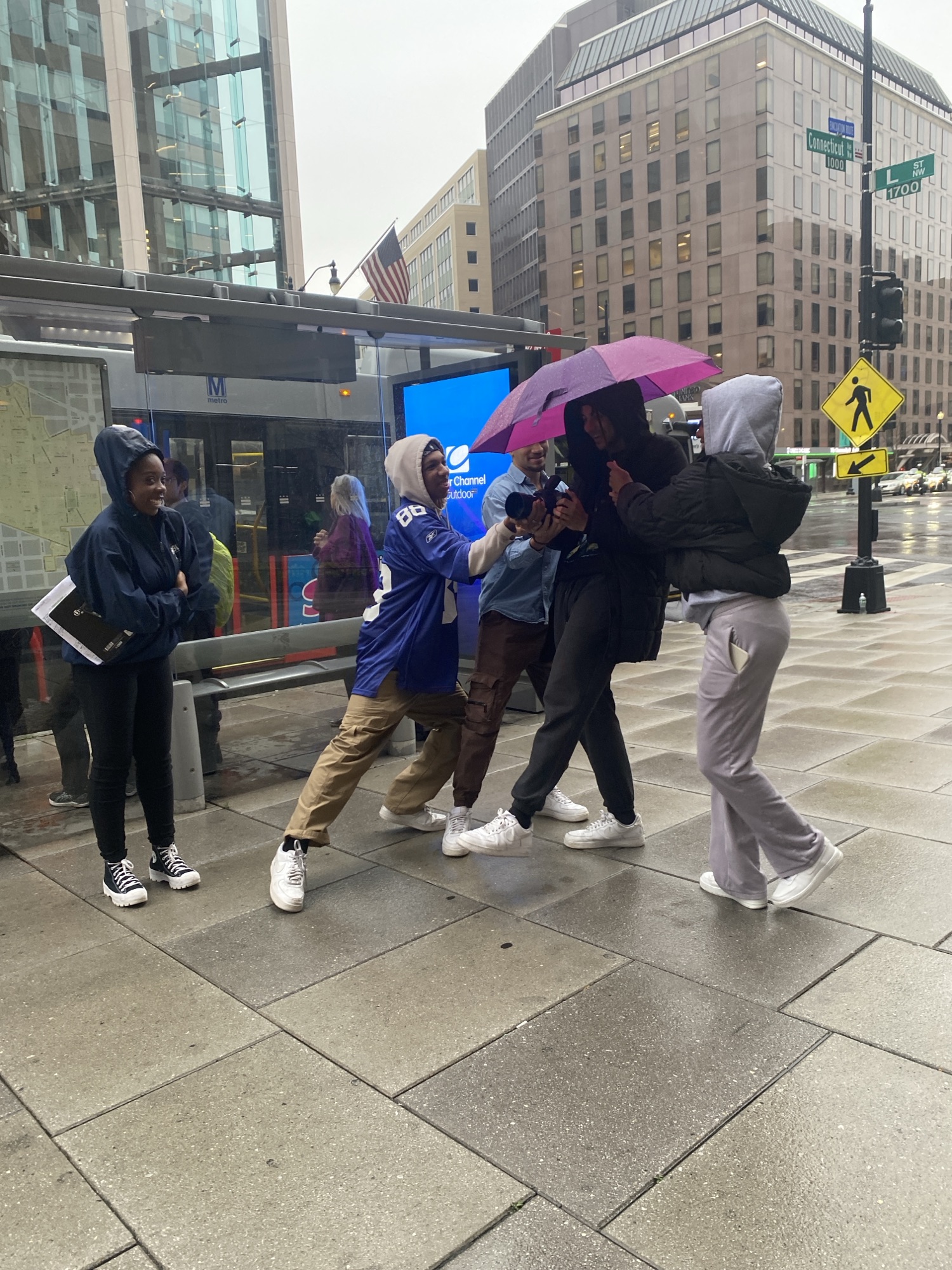
I’m an introvert at heart, so I don’t think it’s that black and white. However, I do think we deserve to find solace in joyful experiences with people seeking the same thing. Some ideas I’ve explored (or just considered) are:
- online communities on platforms like Twitter, Twitch, Reddit, TikTok (categories like sports, writing, books and fashion are popular – but you can get as niche as juicing, keyboards, or, in my case, living with chronic illness)
- activity-based classes – being beginners at something potentially embrarassing is the most benign trauma bond you can make! Nowadays, group activities promoting collective movement are popular third places. Running (woah?), pickleball (quirky), and pottery (eclectic) are the rage these days.
- clubs you participated in during high school or college – most have transitional or similar groups for younger adults! (I haven’t made it to a Kiwanis meeting, but I hope to)
- programs, orgs or courses that challenge your mind or upgrade your skillsets. This is an immersive way of connecting with people on a similar path as yours, with the added plus of attaining self actualization from your new knowledge.
Many of things I was initially nervous to try have ended up being some of the most fun and fulfilling. Sharing space with people who share my beliefs, passions and goals not only stimulates me mentally, but opens the door for cool connections to become cool friendships.
“The garden of people who’ve always been there still needs tending in order to flourish.”
4. one size doesn’t fit all
An integral realization that comes during young adulthood is that what community means for others may not appeal to your unique personality, needs, or values.
As a young international student navigating Howard University, I tried to be as intentional as possible with my campus involvement. There were many super formal orgs – competitive, fiercely exclusive, with hyperbolic entry requirements. While I participated in a couple, I ultimately realized that some of their values didn’t align with what I desired – and in some cases, what I stood for.
In junior year, I declared a playwriting minor – a decision that I hoped would expand my writing chops. This turned out to be one of the best decisions of my life.
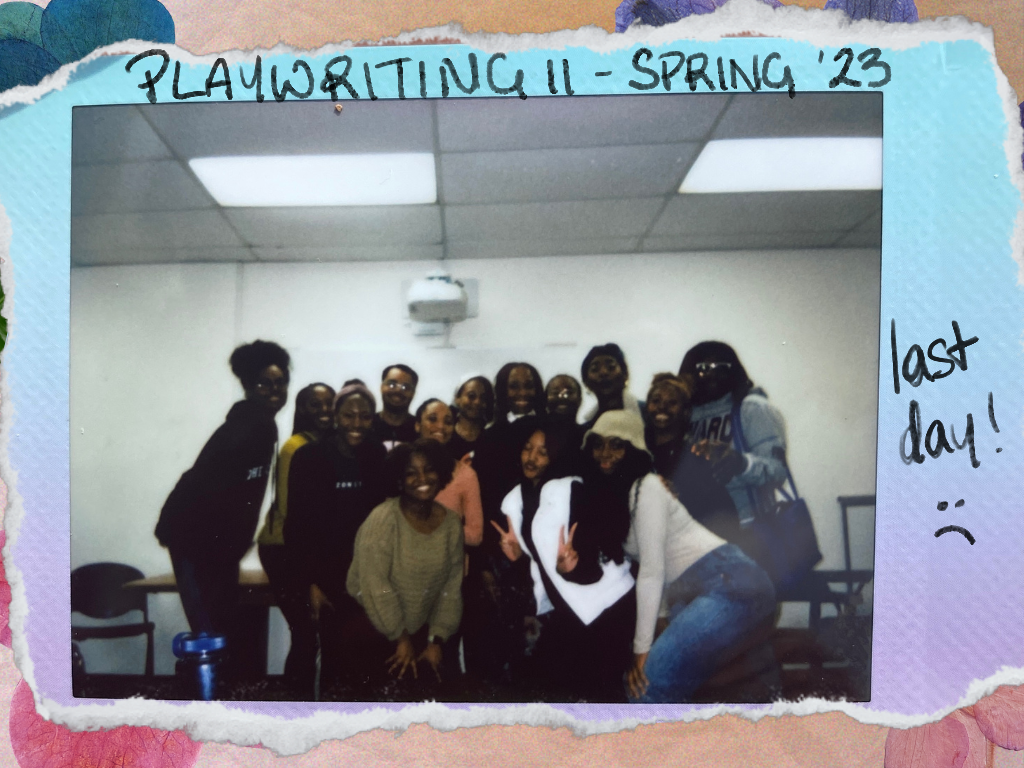
In the classrooms of the Chadwick Boseman College of Fine Arts, I found something that I had almost given up on experiencing – relief. Relief that I found a space where my wildest ideas weren’t just heard, but listened to. Encouraged. Cared for.
Professors and peers alike showed me how much magic there is in collaboration – classes and orgs were spaces buzzing with openness, expression and vulnerability.
I learned so much about our craft from the actors, directors and fellow playwrights in COFA. Most importantly, I learned the worth of persistence in searching for the people that make you feel safe, yet alive.
What we want out of community changes as our mindsets do – and that’s okay! We’re allowed to fit the puzzle pieces that truly feel right – and to release the ones that don’t.
5. the right to choose
The strongest communities aren’t built by chance, but by choice.
Yes – there are friends who we’ve known forever, and relatives who were built in since birth.
The garden of people who’ve always been there still needs tending in order to flourish.
Yet, as we move through life, we’re blessed enough to meet people who become as sacred to us as family. Community is curated from choosing people to trust and care for – then choosing to do it over and over again. Reciprocating this out of love, rather than obligation, is the hallmark of seasoned love.
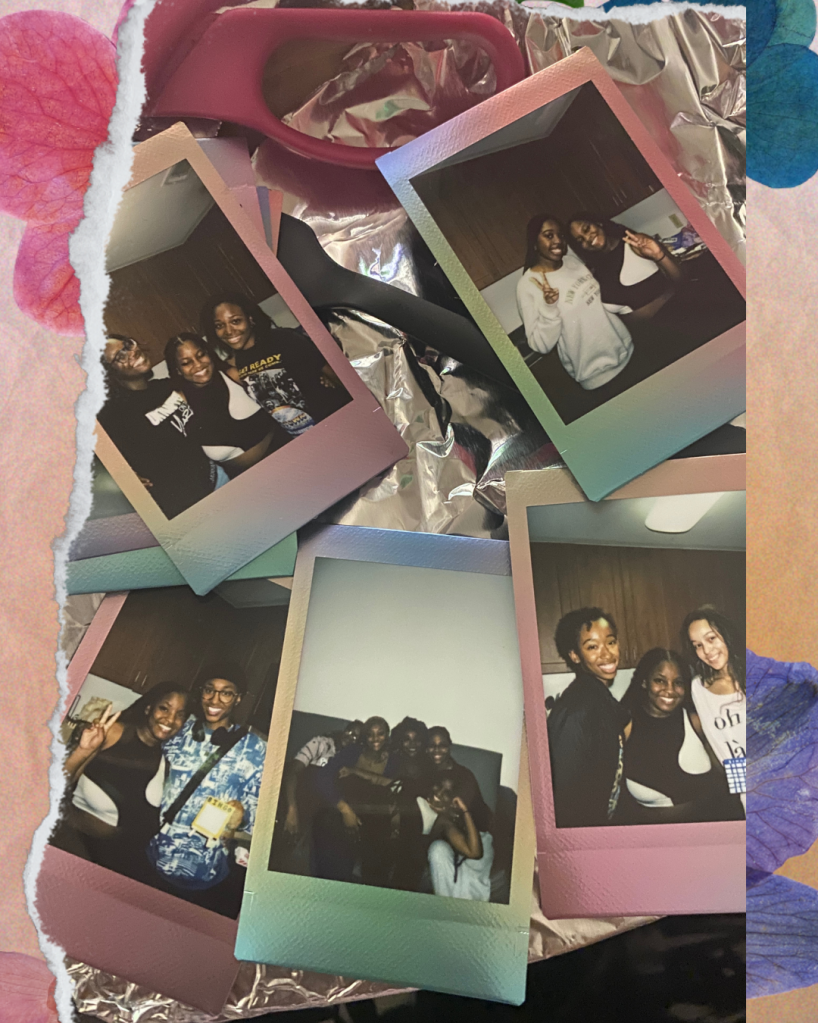
On our quests to create our ideal communities, it’s still important not to neglect our sandbox friendships, long-distance besties, and empty-nested parents. Although Tumblr said we don’t owe anything to anyone, we do – we owe effort. We owe our loved ones the respect of trying: to respond, to go out, to show up. As we get older, these are the actions that compound to mean the most.
The garden of people who’ve always been there still needs tending in order to flourish. Reciprocity takes time and effort – but for the people we love, effort shouldn’t be a hindering factor.
at the end of the day
The first and most important step to building community is to start by looking more deeply at the ones you already have. Pause long enough to appreciate the people who showed you your first examples of community – whatever comes to your head after reading this is a great place to start. The love, support and fervor for life that you hold is a reflection of the communities that grew to surround you without you even noticing.
I believe that what one is looking for starts within the self. We can be inspired by our own graciousness, generosity, and ways of showing love.
Keep looking deeply – I have a feeling that we’ll eventually find our desires mirroring back to us. 🌺




 TREVONAE.com
Leave a reply to RichelleTHenry Cancel reply